
Ductless Mini Splits
Ductless Mini Splits Installation Services in Arvada and Denver Metro Area
If you have a room that never seems to reach the right temperature, an addition that isn’t connected to your main HVAC system, or an older home without ductwork, a ductless mini-split could be the smartest comfort upgrade you make. Top Tier HVAC designs, installation, and services ductless mini-split systems across the Denver metro area including Arvada, helping homeowners solve heating and cooling challenges that traditional central systems simply can’t address well.
We work with all major mini-split manufacturers and have extensive experience configuring single-zone and multi-zone setups for everything from finished basements and converted garages to whole-home applications. Whether you’re adding cooling to one stubborn space or replacing an aging central system entirely, our team will help you find a configuration that fits your home and your budget.
How a Ductless System Actually Works
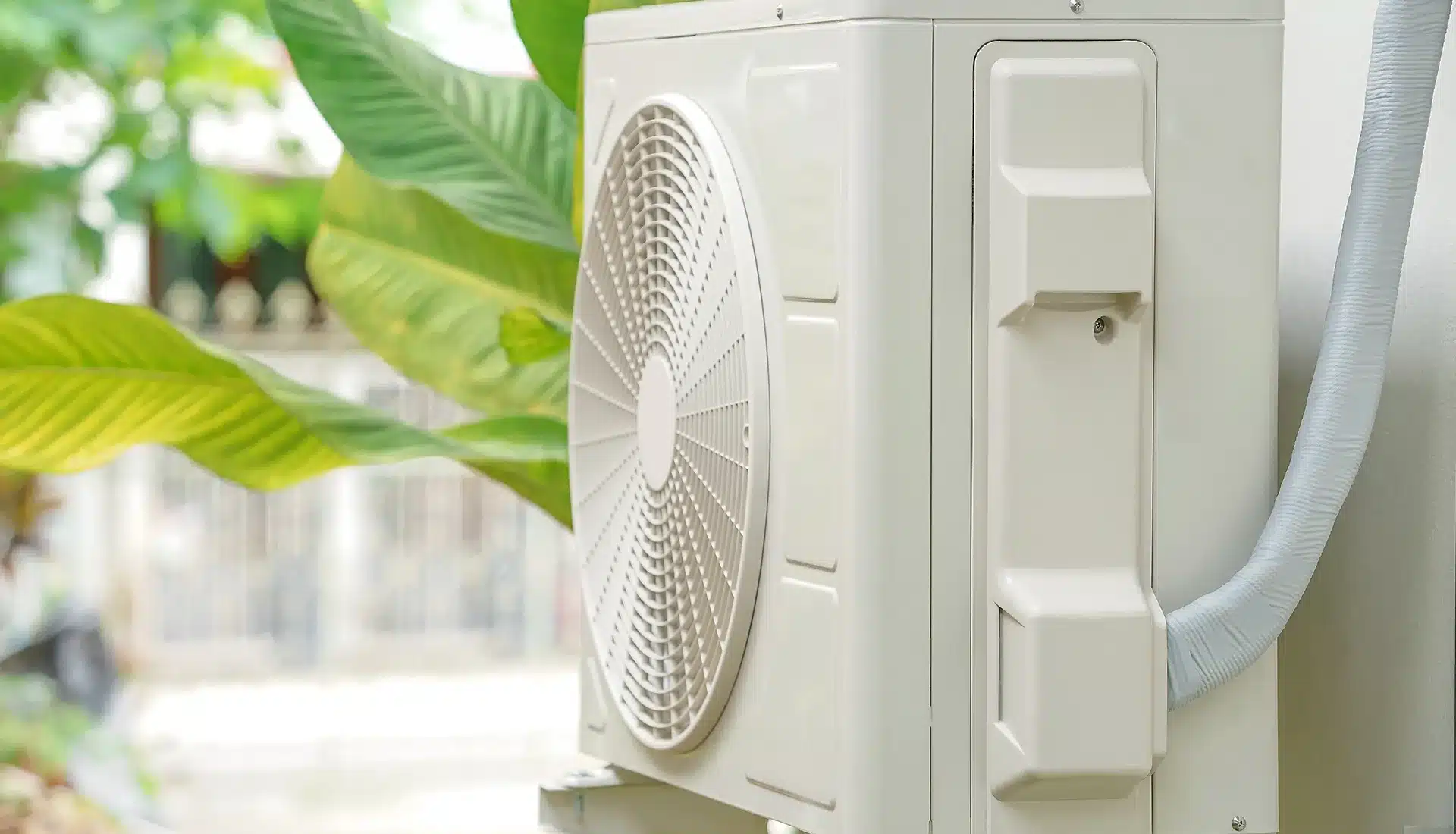
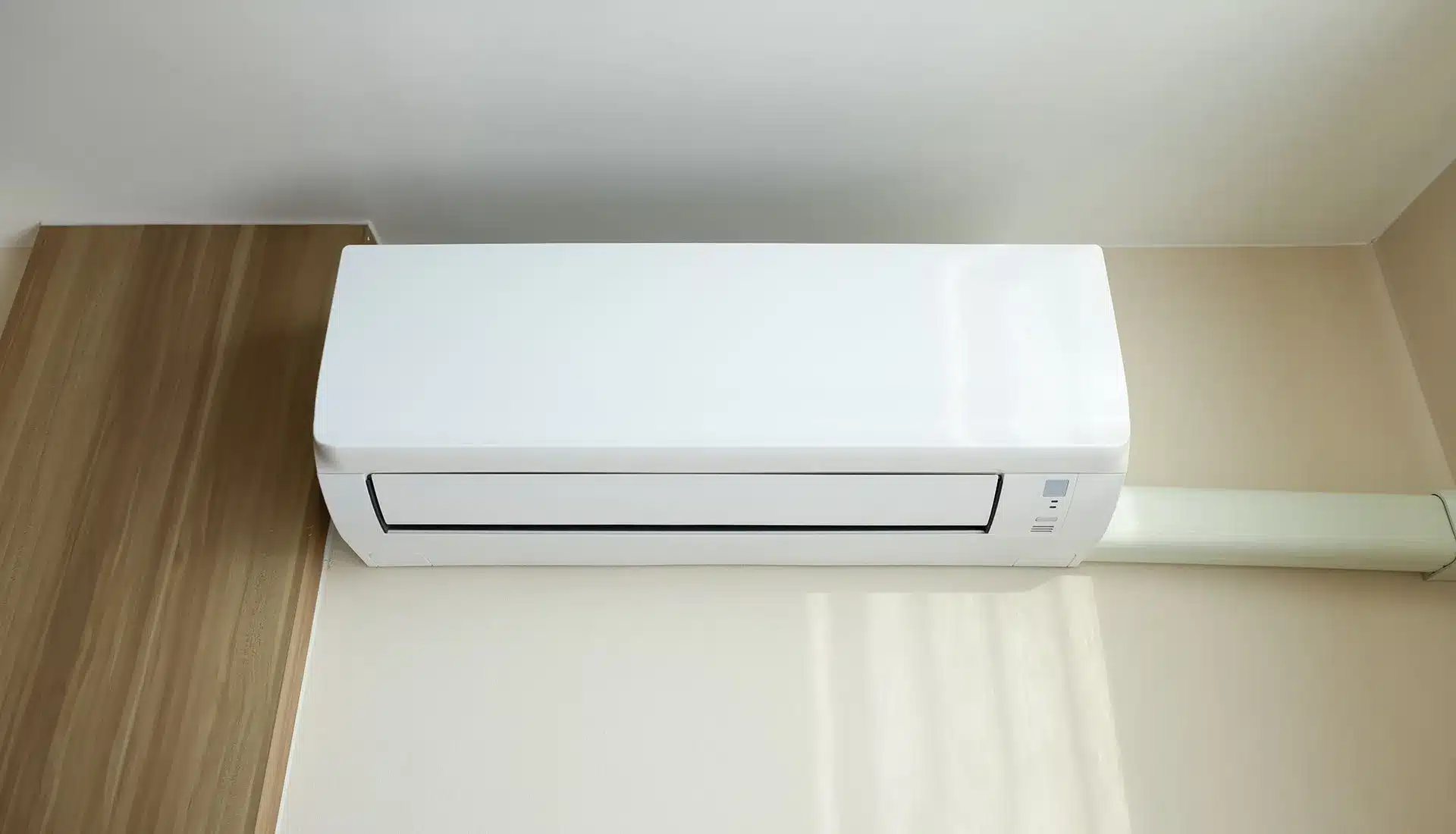
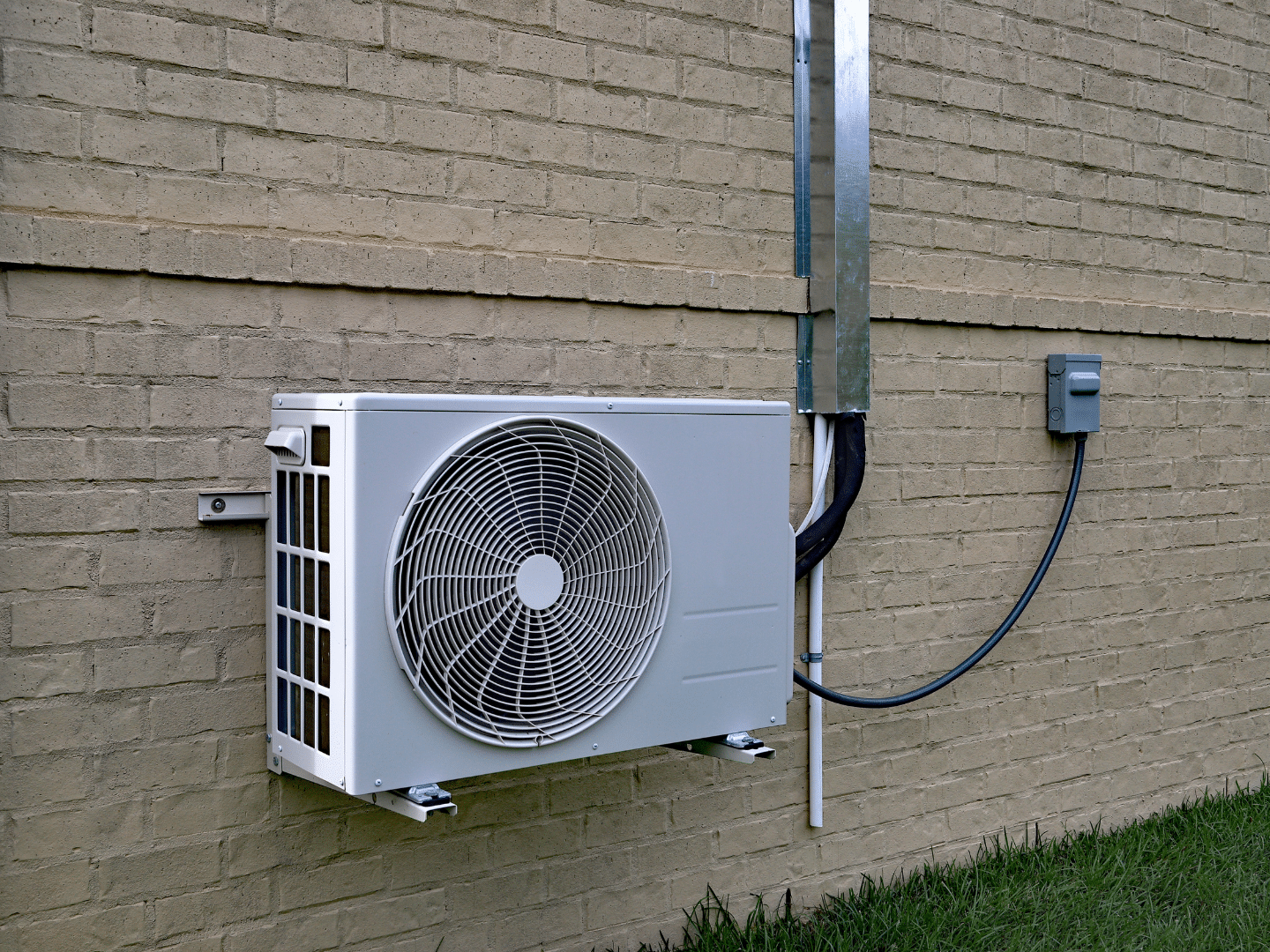
A ductless mini-split moves heat between the inside and outside of your home using refrigerant lines rather than blowing conditioned air through a network of metal ducts. The outdoor unit handles the heavy lifting of compressing refrigerant and exchanging heat with the outside air, while one or more sleek indoor units distribute conditioned air directly into the rooms they serve. A small line set, about three inches across, connects the two through an exterior wall, which is why these systems can be installed almost anywhere without major construction.
Because each indoor head operates independently with its own remote or wall control, you’re no longer stuck with a single thermostat trying to satisfy the entire house. The bedroom can stay at sleeping temperature while the living room runs warmer for daytime use, and unoccupied rooms can be turned off entirely instead of being cooled or heated for no reason.
Where Ductless Mini-Splits Make the Most Sense
Some homes are textbook candidates for ductless. If you’ve finished a basement, built a sunroom, converted an attic into living space, or added a bonus room over the garage, extending your central system to handle that new square footage is often expensive and inefficient. A dedicated mini-split serves the space directly without forcing your existing equipment to work harder than it was designed to.
Older Denver homes built before central air became standard often face a similar challenge. Retrofitting ductwork into a home with plaster walls, balloon framing, or limited attic access can cost more than the cooling equipment itself, and the installation usually involves bulkheads or soffits that interrupt the home’s original character. Ductless systems sidestep that problem entirely while delivering modern efficiency.
Mini-splits also work well as a supplement to existing HVAC systems. If you have one or two rooms that consistently run too warm in summer or too cold in winter, adding a single ductless head can solve the issue without the cost of upgrading your whole system. We see this often with second-story bedrooms, home offices on west-facing walls, and primary suites located far from the main air handler.
Installation That Looks and Works Right
The visible part of a ductless mini-split installation matters. A sloppy job leaves exposed line sets running across the side of the house, indoor heads mounted at awkward heights, and condensate drains that drip down siding. We approach every installation with attention to how the finished system will look as well as how it will perform. Line sets are routed thoughtfully and covered with proper line-hide channels where they’re visible, indoor units are positioned for both aesthetics and airflow, and condensate is managed cleanly.
On the performance side, we size each system based on the actual cooling and heating loads of the spaces it will serve, not rough estimates. Oversized mini-splits cycle on and off too frequently and never reach their efficiency potential, while undersized units run constantly without keeping up during extreme weather. We commission every installation by verifying refrigerant charge, checking electrical connections, and confirming that each zone reaches and maintains its setpoint.
Repair and Maintenance for Mini-Split Systems
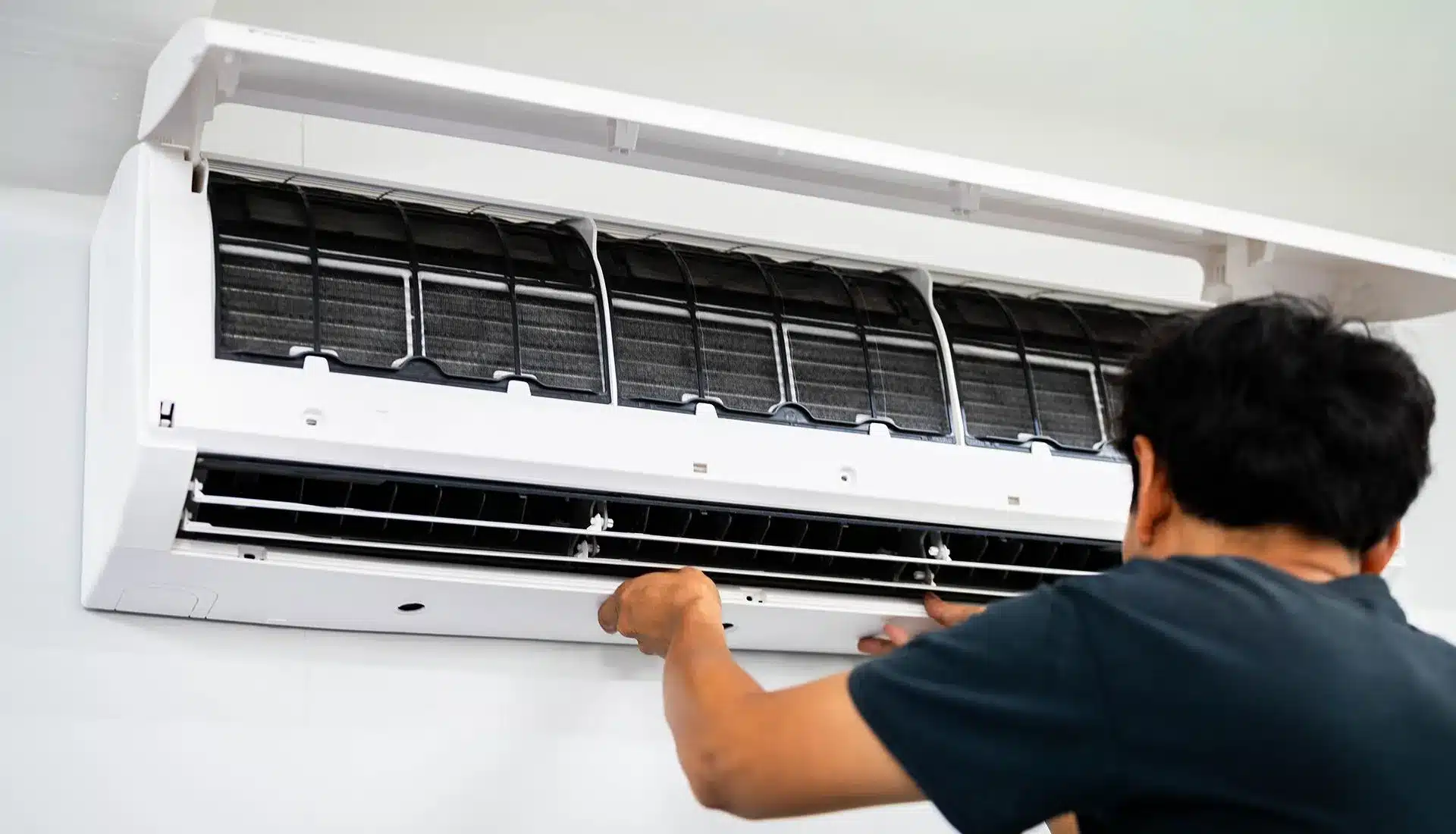
Like any HVAC equipment, ductless systems perform best with regular attention. Indoor units pull air across washable filters that need cleaning every few weeks during heavy use, and the evaporator coils benefit from periodic deeper cleaning to prevent buildup that reduces efficiency and air quality. The outdoor unit needs its coil cleaned annually and its electrical components checked the same way a traditional condenser would.
When something does go wrong, common issues include refrigerant leaks at line set connections, blocked condensate drains, failed control boards, and communication faults between the indoor and outdoor units. Our technicians carry the diagnostic tools and replacement parts needed to handle these repairs on most major brands, and we can usually get a malfunctioning system back online in a single visit.
Why Denver Homeowners Choose Top Tier HVAC for Ductless
Ductless installation looks straightforward, but the details separate a system that performs well for fifteen years from one that develops problems within the first two. Things like proper line set length and elevation, correct flare connections, vacuum and pressure testing, and accurate refrigerant charge all affect long-term reliability, and they’re easy to skip when a contractor is rushing. We don’t cut those corners, and we stand behind our work after the install is complete.
Our team also takes the time to walk you through how to operate your new system. Mini-splits have features that traditional HVAC doesn’t, like sleep modes, dehumidification settings, and customizable fan speeds, and getting comfortable with the controls helps you get the most out of your investment.
Frequently Asked Questions
Can a ductless mini-split heat my home in Denver winters?
Yes, modern cold-climate mini-splits are designed to provide effective heating well below zero degrees Fahrenheit. They use heat pump technology, which moves heat rather than generating it, and the latest models maintain strong output even in single-digit temperatures. For homes that occasionally see extreme cold, pairing a mini-split with a small backup heat source provides full coverage.
How many indoor units can one outdoor unit support?
Most multi-zone outdoor units can support anywhere from two to eight indoor heads, depending on the model and total capacity. We size the outdoor unit to handle the combined load of all the zones it will serve, with some allowance for the fact that not every zone runs at full capacity simultaneously.
Are mini-splits really more efficient than central air?
In most cases, yes. Ductless systems eliminate the duct losses that affect central systems, which can waste 20 to 30 percent of conditioned air through leaks and uninsulated runs. They also use variable-speed inverter compressors that match output to actual demand rather than cycling on and off at full power, which translates directly into lower energy bills.
Will a ductless system add value to my home?
For homes without existing central air, adding ductless cooling typically increases both market value and buyer appeal, especially in Denver where summer heat is a real consideration. For homes that already have central systems, a supplemental mini-split serving a finished basement or addition can also add value by making previously uncomfortable spaces fully usable year-round.
How visible are the indoor units inside my home?
Indoor heads are typically mounted high on a wall and have a clean, modern profile in white or matte finishes. There are also ceiling-cassette and concealed-duct options for homeowners who want even less visual impact, though these cost more and require more involved installation.
What kind of maintenance do mini-splits need?
Homeowners should clean the washable filters in each indoor unit every two to four weeks during heavy use, and the outdoor unit benefits from being kept clear of leaves and debris. Beyond that, we recommend professional maintenance annually to clean the coils, check refrigerant levels, test electrical components, and catch any developing issues early.
What is a Ductless Mini-Split System?
A ductless heat pump or ductless mini-split system is a kind of HVAC system that doesn’t use ducts to transport air throughout your house. Instead, separate air handlers are set up in every room, enabling accurate temperature regulation and energy efficiency. They are incredibly versatile. All it requires is an outdoor unit that will provide heating and cooling everywhere, including your walls, ceilings, and floors.
// Need Help? //
Bring Better Comfort to Your Home with Top Tier HVAC
Whether you’re solving a specific comfort problem in one room or considering a full ductless system for your home, Top Tier HVAC can help you choose the right configuration and install it the right way. Contact us today to schedule a free consultation, and find out why Denver-area homeowners trust our team to deliver mini-split installations that look great, perform reliably, and stand the test of time.
Proud Partners With
// Need Help? //
Ready to get started? Call (720) 709-9876 to speak to our team.
Proud Partners With