Boilers
Boiler Services in the Denver Metro Area
Boilers have heated Colorado homes for generations, and for good reason. The radiant warmth produced by a well-functioning boiler system is more even, more comfortable, and often more efficient than forced-air heating, with none of the dryness or dust circulation that comes with blown air. Many Denver-area homes, particularly older properties and those with hot-water baseboard or radiant floor systems, depend on boilers as their primary source of winter comfort.
Top Tier HVAC provides full boiler services across the Denver metro area, including repair, annual maintenance, and complete system replacements. Our technicians have the training to work on gas, propane, and high-efficiency condensing boilers from every major manufacturer, and we approach this equipment with the careful attention it requires. Boilers are more complex than most residential heating systems, and getting the work right matters for both performance and safety.
Boiler Services in Arvada and Denver Metro Area
Boilers have heated Colorado homes for generations, and for good reason. The radiant warmth produced by a well-functioning boiler system is more even, more comfortable, and often more efficient than forced-air heating, with none of the dryness or dust circulation that comes with blown air. Many Denver-area homes, particularly older properties and those with hot-water baseboard or radiant floor systems, depend on boilers as their primary source of winter comfort.
Top Tier Heating and Cooling provides full boiler services across the Denver metro area, including repair, annual maintenance, and complete system replacements. Our technicians have the training to work on gas, propane, and high-efficiency condensing boilers from every major manufacturer, and we approach this equipment with the careful attention it requires. Boilers are more complex than most residential heating systems, and getting the work right matters for both performance and safety.
Understanding How Your Boiler Heats Your Home
A boiler doesn’t actually boil water in most residential applications, despite the name. Instead, it heats water to a controlled temperature, then circulates it through a closed loop of piping to radiators, baseboard units, or in-floor tubing throughout the home. The radiated heat warms surfaces and objects in each room, which in turn warm the air. Once the water has given up its heat, it returns to the boiler to be reheated, and the cycle continues as long as the thermostat is calling for heat.
This approach produces a fundamentally different feel of warmth compared to forced air. Rooms heat more evenly from floor to ceiling, the air stays naturally humid rather than being dried out by blowing through a furnace, and there’s no fan noise or duct sounds during operation. For homeowners who’ve experienced both systems, hydronic heat is often the preferred option once they’ve gotten used to it.
Boiler Repair From Technicians Who Know These Systems
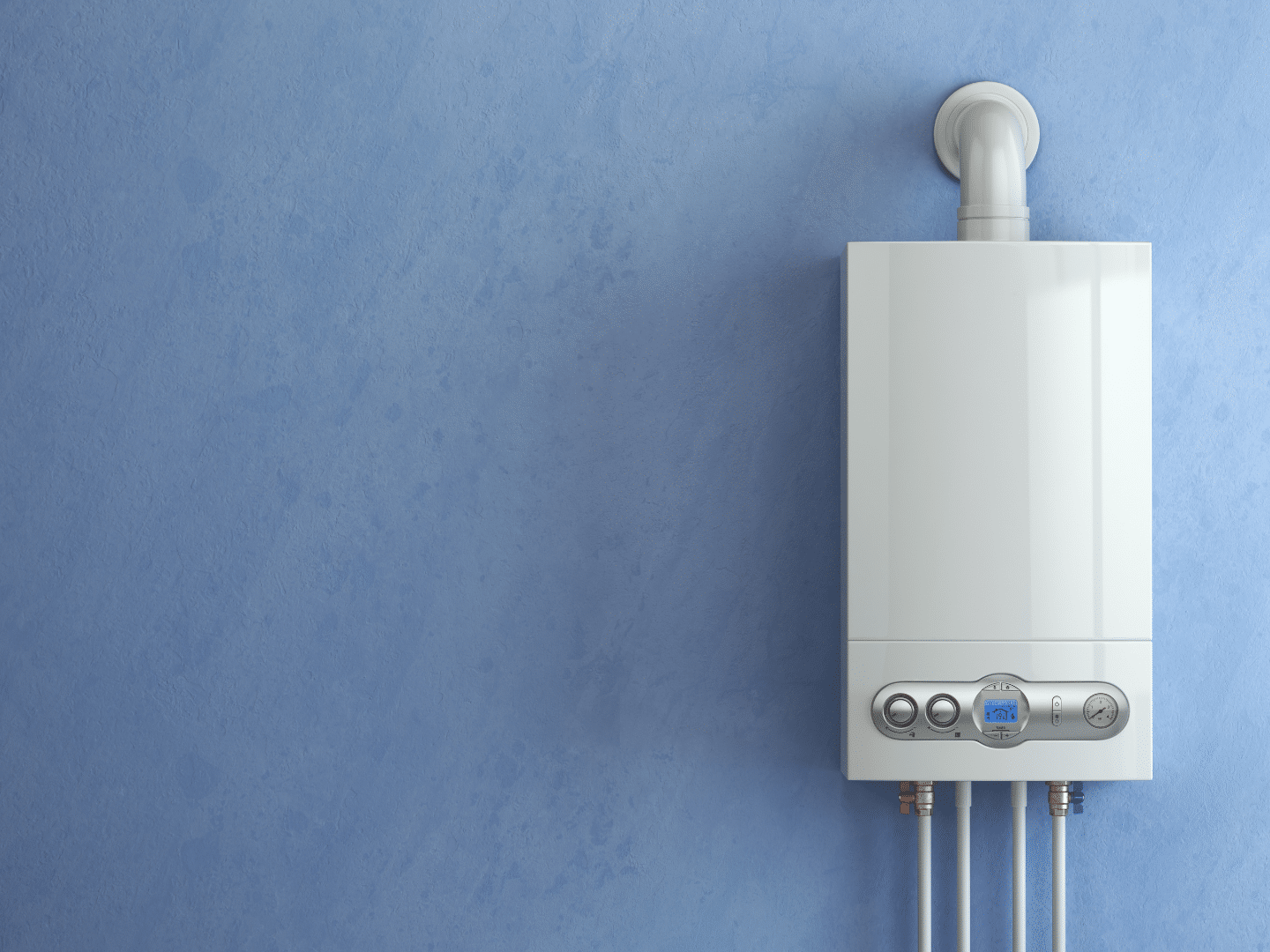
Boiler issues can be subtle or dramatic, and either way they need attention from someone who actually understands hydronic heating. Common problems we resolve include circulator pump failures, leaking expansion tanks, ignition and pilot issues, low water pressure, air trapped in the system causing cold radiators, faulty zone valves, and aquastat problems that prevent the boiler from reaching the correct operating temperature.
More serious issues like cracked heat exchangers, failing combustion chambers, and venting problems require both diagnostic skill and the judgment to know when a repair makes sense versus when replacement is the safer and more cost-effective path. Carbon monoxide concerns are real with any combustion appliance, and we take the safety side of boiler work seriously. Before completing any repair, we verify that the system is operating safely and that combustion byproducts are venting properly.
Annual Maintenance That Prevents Major Problems
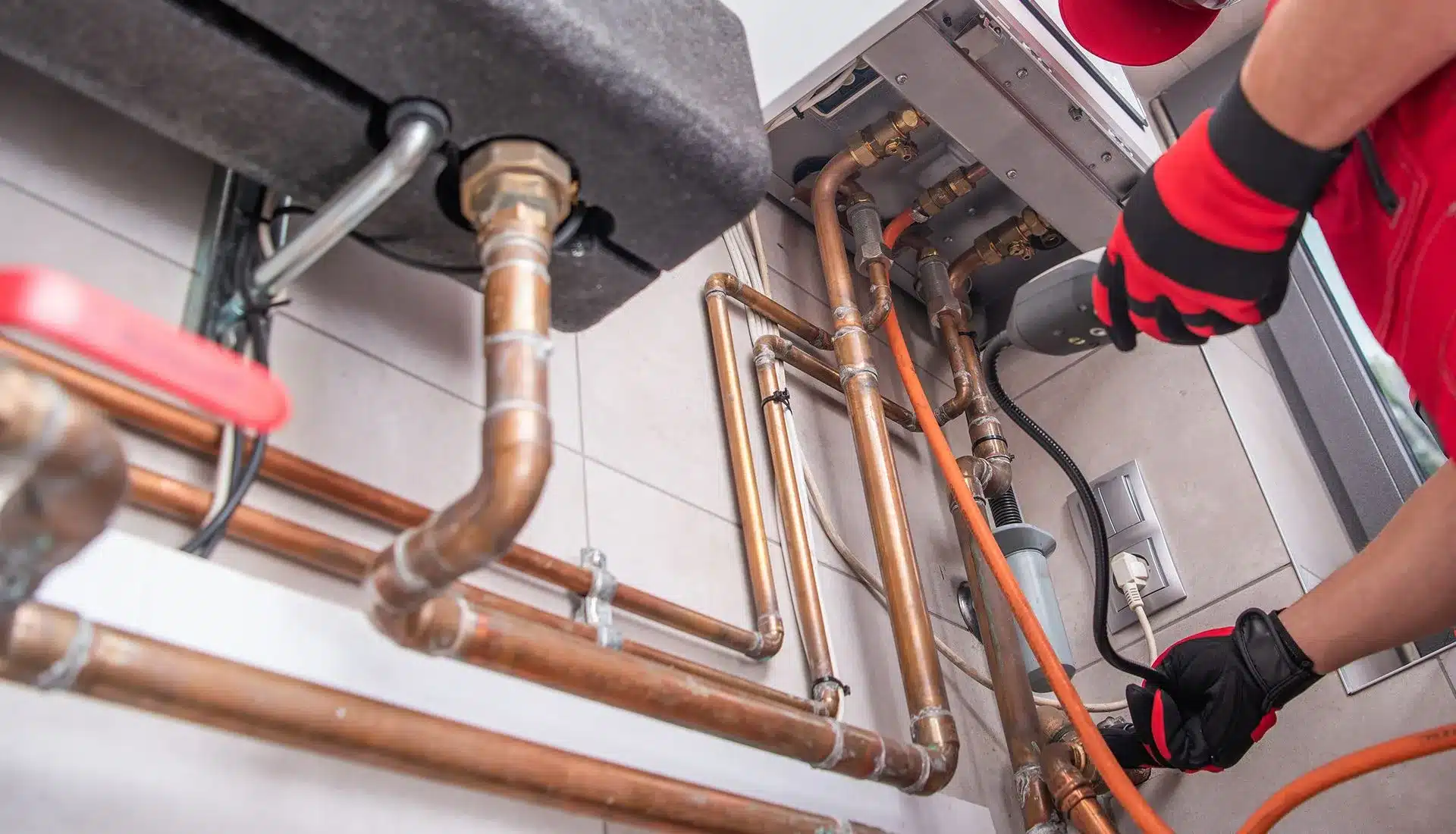
A thorough annual service includes cleaning the burner assembly and heat exchanger, checking and adjusting combustion for optimal efficiency, testing safety controls, verifying proper water pressure and temperature, inspecting the expansion tank, checking the pressure relief valve, lubricating circulator pump motors where applicable, and bleeding air from the system if needed. We also examine venting connections, the gas line, and electrical components to catch developing issues before they become emergencies. For homes with multiple zones, we test each one to confirm proper operation.
This preventative work pays for itself many times over. Boilers that receive regular service operate more efficiently, develop fewer breakdowns, and routinely last well beyond their expected lifespan. Boilers that don’t often fail prematurely or require expensive emergency repairs at the worst possible time.
Boiler Installation and Replacement
When the time comes to replace an aging boiler, the decisions involved are significant. Modern condensing boilers can achieve efficiency ratings above 95 percent compared to the 70 to 80 percent typical of older units, which translates to real savings on gas bills throughout the heating season. They also offer more sophisticated controls, better modulation of output to match actual demand, and quieter operation.
We start every replacement project with a careful assessment of your existing system, including the piping configuration, radiator or baseboard capacity, and any zoning setup. This information determines what type and size of boiler is appropriate for your home. Switching from a standard-efficiency to a condensing model often involves changes to the venting and condensate drainage, and we handle these details as part of the installation rather than leaving you with a partially completed job.
Our installations include proper purging of the system to remove air, testing under operating conditions, confirming that all zones reach setpoint, and walking you through the new controls. For homes where it makes sense, we can also discuss combining the boiler replacement with adding an indirect water heater, which uses the boiler to produce domestic hot water with remarkable efficiency.
Signs Your Boiler May Need Attention
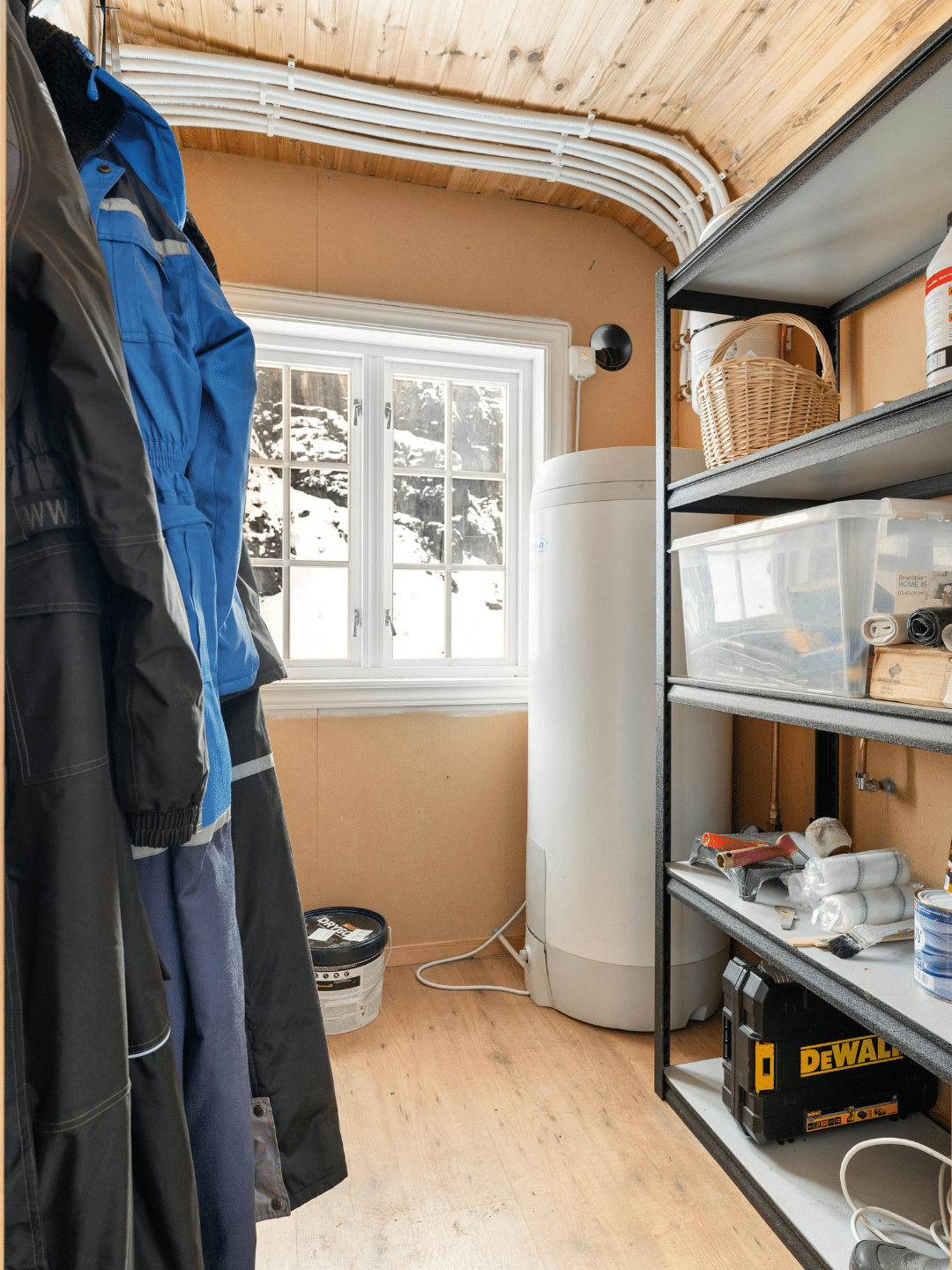
Boilers communicate problems in ways that aren’t always obvious. Some warning signs are clear, like visible leaks around the unit, water on the floor near the boiler, persistent low pressure that requires constant refilling, or rooms that aren’t heating properly. Others are more subtle. Strange noises during operation such as banging, gurgling, or whistling typically indicate air in the system, scale buildup, or circulator issues. Unusual smells, particularly any hint of gas or combustion odors, should be addressed immediately as safety issues. Rising gas bills without a change in usage habits often point to declining efficiency that may be either repairable or a sign of an aging system nearing the end of its life.
Why Top Tier HVAC for Your Boiler
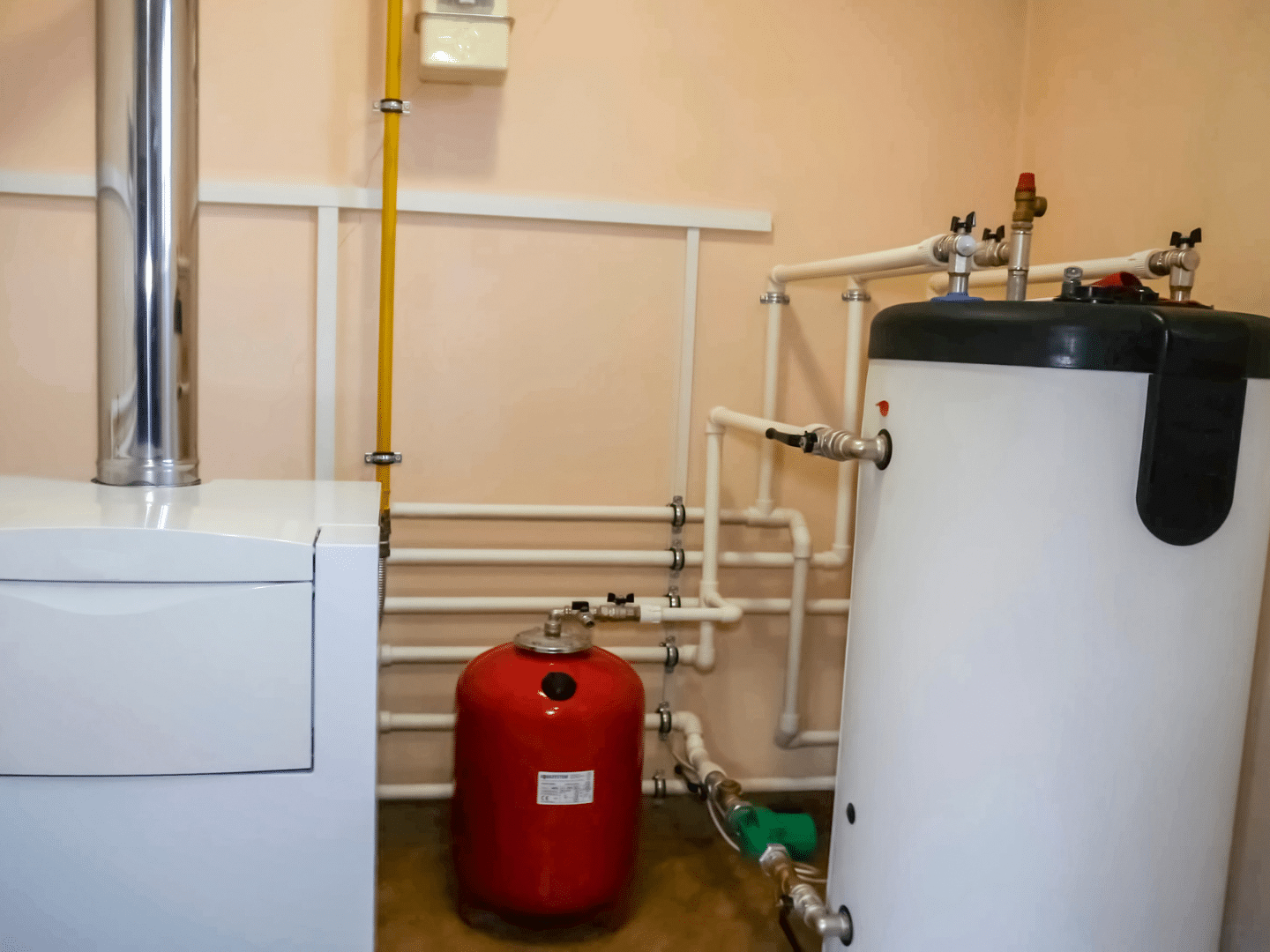
We’re also straightforward about what your system actually needs. If a repair will solve your problem and give you years more service from your existing boiler, we’ll tell you that. If replacement makes more financial sense than continuing to repair an aging unit, we’ll lay out the reasoning so you can make an informed decision. Our job is to keep you warm and to do the work right, not to push for the most expensive option.
Frequently Asked Questions
How long should a boiler last?
Why does my boiler keep losing pressure?
Is a high-efficiency boiler worth the upgrade?
What's the difference between a boiler and a furnace?
Can a boiler also heat my domestic hot water?
Should I bleed my radiators myself?
// Need Help? //
Keep Your Home Warm with Top Tier HVAC
Whether your boiler needs immediate repair, a long-overdue tune-up, or full replacement before next winter arrives, Top Tier HVAC has the expertise to handle the job correctly. Contact us today to schedule service or request a free estimate on a new boiler installation, and find out why homeowners across the Denver metro area trust our team with one of the most important systems in their home.
Proud Partners With